03/29/2026

A Ten Thousand Crore Taka Milestone for Bangladesh
Md. Mamun Hasan | Published: 2026-03-28 23:07:47
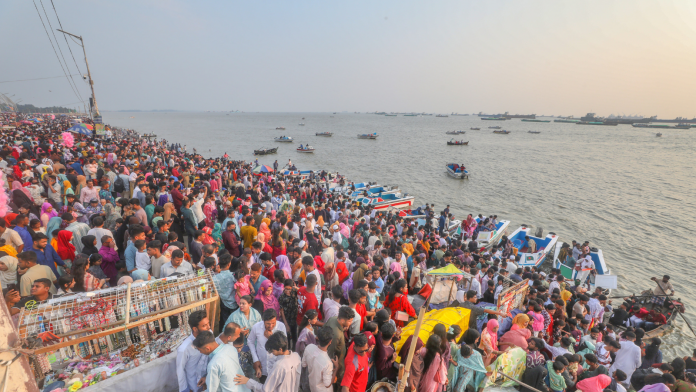
As the Head of the Department of Tourism and Hospitality Management at Satkhira Polytechnic Institute, I have analyzed the current seasonal surge in our tourism sector. This article highlights the unprecedented economic impact of the Eid holidays, featuring the latest statistics from the Chittagong Hill Tracts, Cox’s Bazar, Kuakata, and the Sundarbans, while offering strategic insights for sustainable growth.
The traditional landscape of Eid celebrations in Bangladesh has undergone a tectonic shift evolving from a purely domestic reunion into a formidable engine of national prosperity. This year the confluence of an extended holiday and a growing wanderlust among the middle class has catalyzed a tourism turnover projected to reach a staggering Tk10,000 crore. While the religious essence of the festival remains the heartbeat of the nation the economic pulse is increasingly found in the emerald hills of the Chittagong Hill Tracts the salt sprayed air of Cox’s Bazar and the deep mangroves of the Sundarbans.
The Chittagong Hill Tracts have emerged as a primary beneficiary of this seasonal migration with stakeholders estimating a trade volume exceeding Tk100 crore. In Rangamati the city of lakes an influx of 100,000 to 150,000 tourists has revitalized a sector that faced significant stagnation during the pre Eid month. Hotel and resort bookings across the district have soared between 70% and 80% with iconic destinations like the 118 resorts in Sajek Valley and the island based retreats on Kaptai Lake reaching 100% occupancy during peak dates. This revitalized economy is a critical lifeline for transport workers boat operators and small scale textile traders who are finally recovering from the losses of a quiet Ramadan.
Bandarban and Khagrachari follow a similar trajectory of high demand despite logistical hurdles like fuel availability and water supply. In Bandarban hotel bookings surged to 80% to 90% during two distinct phases being the initial Eid break and the subsequent Independence Day weekend. Meanwhile Khagrachari continues to act as the vital gateway for the hills with its 45 hotels and guesthouses maintaining a steady 50% to 60% booking rate bolstered by the reopening of attractions like Hathi Kobor and the modernization of the Alutila tourism center.
The coastal and wetland regions have mirrored this fiscal success with even more dramatic figures. Cox’s Bazar the crown jewel of Bangladesh tourism recorded an astounding Tk800 crore in revenue in just six days fueled by over 150,000 domestic visitors. On the southwestern coast Kuakata witnessed a gathering of nearly 100,000 tourists pushing its 150 plus hotels and motels to 90% capacity and generating approximately Tk200 crore for the local economy. Not far away the Sundarbans attracted nearly 25,000 eco tourists contributing an additional Tk50 crore through specialized cruise packages and community based tourism services. In the northeast the tea capital of Sylhet has seen a massive surge with its eco parks and tea estates expected to generate Tk1 billion in local revenue.
To elevate this booming sector into a world class experience we must prioritize the comfort and satisfaction of the travelers through a more integrated and empathetic approach. A truly fulfilling journey begins with seamless connectivity where the implementation of centralized digital booking systems for all transport and accommodation can eliminate the stress.
The writer is an Instructor (Tech) and Head of the Department of Tourism and Hospitality Management; Satkhira Polytechnic Institute.
Editor & Publisher : Md. Motiur Rahman
Pritam-Zaman Tower, Level 03, Suite No: 401/A, 37/2 Bir Protik Gazi Dastagir Road, Purana Palton, Dhaka-1000
Cell : (+88) 01706 666 716, (+88) 01711 145 898, Phone: +88 02-41051180-81